Phone:
+8615655584855

WHAT ARE YOU LOOKING FOR?
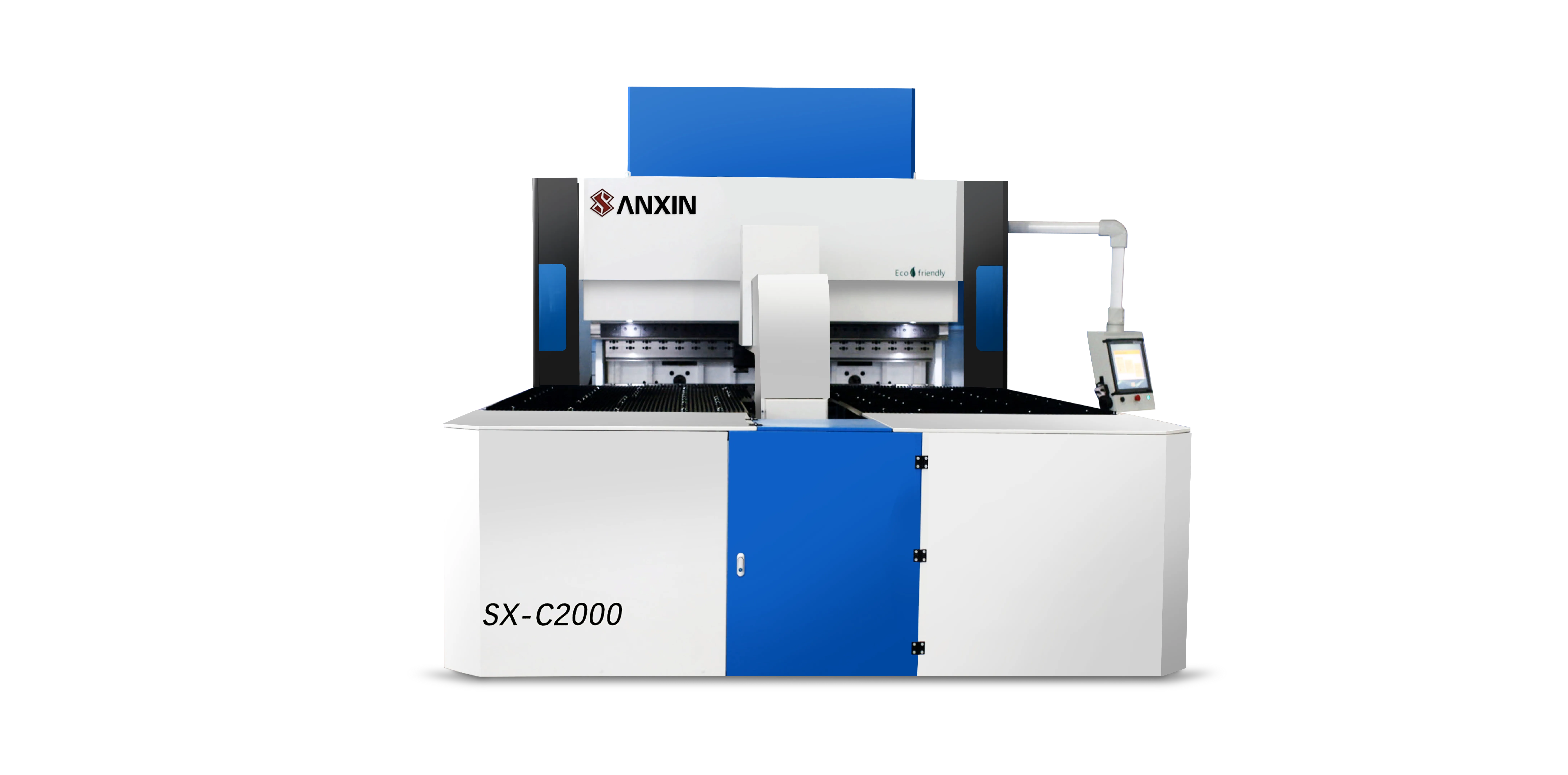
If you have been shopping for a standard hydraulic press brake lately, you’ve probably seen the same ads over and over again. Every supplier claims “ultra-stable frame performance” and “the lowest factory price” on the market. Truth is, those generic slogans don’t mean anything. Most fabricators get lured by cheap upfront pricing, only to regret it a few months later.
Budget press brakes always start to show flaws once they’re put into daily workshop use. It’s common to deal with hydraulic leaks, twisted frames, and inconsistent bending angles after just a short time in operation. The worst part? All your high-cost sheet metal parts end up as scrap. Slow production, wasted materials, and constant downtime quickly erase that initial “cost savings.”
If you want to protect your machine investment and keep your production line stable, you need to look past the fresh paint and polished demo videos. Next time you audit a press brake manufacturer, ignore the sales talk. Instead, ask these three practical, engineering-based questions — they will instantly tell you whether a machine is built for long-term work or just built for a quick sale.
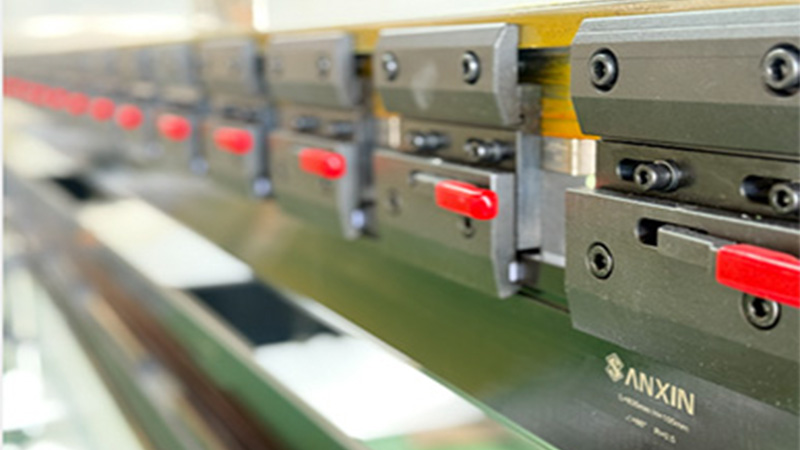
A press brake takes heavy, repeated impact loads every single working day. Cheap manufacturers simply weld steel plates together and send the frame straight to painting. This leaves massive hidden welding stress inside the structure.
After months of high-frequency bending, that internal stress slowly releases. The frame warps little by little, causing tiny distortions that completely ruin your bending precision and straightness. Once the frame is out of tolerance, no calibration can fix it.
Truly durable press brakes go through strict structural treatment to lock in long-term accuracy:
The entire welded frame is heat-treated in a high-temperature furnace to fully eliminate welding residual stress. This step prevents structural warping even after years of continuous heavy-tonnage work.
Before finishing machining, the frame undergoes professional vibration aging to remove micro-level stress inside the steel. This makes the entire structure more stable and less prone to deformation.
Critical sections like side plates and throat areas use thicker steel material. This greatly reduces deflection and guarantees stable performance under full-load bending conditions.
Basic manual and conventional press brakes don’t have high-end CNC compensation or grating ruler tracking. Their entire stability depends purely on mechanical structure quality.
Poorly built machines struggle with eccentric load bending. The slider gradually tilts, resulting in uneven angles, unqualified parts, and inconsistent batch quality. If you’re using non-CNC press brakes for daily fabrication, you must check these key mechanical details:
A thickened solid steel torque shaft ensures synchronous slider movement. It resists torsion during uneven load bending and keeps the slider balanced at all times.
Finely ground internal cylinder stops ensure the slider lands at the exact same position every single stroke. This consistent bottom dead center guarantees repeatable bending depth and angle accuracy.
A sturdy front support rack stabilizes sheet metal during feeding and bending. It helps operators achieve more uniform results and reduces workpiece shaking during processing.
Hydraulic failure is the most common issue on low-cost press brakes. To cut corners, many factories use low-grade valve blocks and cheap sealing parts. During long shifts, hydraulic oil heats up quickly, causing inferior seals to age and fail fast.
Once the seals degrade, the machine loses hydraulic pressure mid-stroke. Bending force becomes unstable, angles start fluctuating, and you face frequent shutdowns for maintenance.
Quality-focused manufacturers solve these pain points through reliable hydraulic design:
Centralized integrated valve blocks reduce external pipeline connections by a large margin. This design removes over 80% of potential leak points and makes the hydraulic system far more stable.
All hydraulic cylinders adopt premium wear-resistant seals that withstand long-hour high-temperature operation. No pressure decay, no micro leakage, even during continuous intensive production.
A safety relief valve protects the machine from accidental overloads. If operators mistakenly process over-thick plates, the system releases pressure instantly to protect cylinders, pipes and the overall frame structure.
At the end of the day, reliable press brake performance all comes down to real engineering details, not marketing slogans. By verifying these three core production standards before you buy, you can easily avoid low-quality equipment and invest in a machine that delivers consistent precision, fewer failures, and better long-term returns for your workshop. Contact us today for expert advice and a tailored quotation.
Q1: Why do cheap press brakes lose accuracy after a few months of use?
Low-cost frames are usually just welded and painted without proper stress relief. Residual welding stress gradually releases under daily heavy loads, causing the frame to warp and ruin bending precision.
Q2: How can I tell if a press brake frame will stay stable long-term?
Check whether the manufacturer performs complete frame annealing/tempering and vibratory stress relief. These processes eliminate internal welding stress and prevent deformation even after years of heavy use.
Q3: What mechanical features keep the slider parallel on non-CNC press brakes?
Look for a heavy-duty solid torque shaft, precision-machined mechanical stops, and a reinforced front support system. These components ensure consistent slider balance and repeatable bending depth without relying on CNC compensation.
Q4: Why do budget hydraulic systems often develop leaks and pressure loss?
Cheap machines use low-grade valve blocks and ordinary seals that fail quickly under heat and continuous operation. Quality machines use integrated cartridge valve blocks and high-temperature imported seals to eliminate most leak points.
Q5: How does a good hydraulic system protect the machine from overload?
A built-in safety relief valve instantly releases pressure if operators try to bend over-thick material, protecting the cylinders, pipes, and overall frame structure from damage.

We look forward to working with you!
If you have any product inquiries or need tailored sheet metal machinery solutions, please feel free to contact us. Our team is ready to provide professional recommendations and competitive quotations.