Phone:
+8615655584855
WHAT ARE YOU LOOKING FOR?
| English Term | Explanation |
| 1. Core Equipment Terms | |
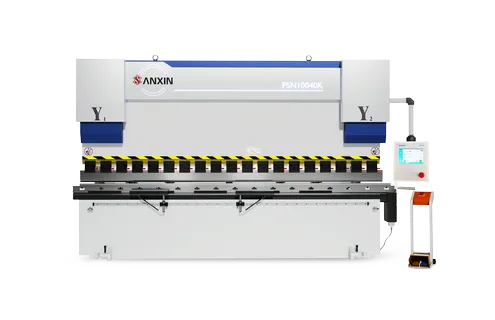
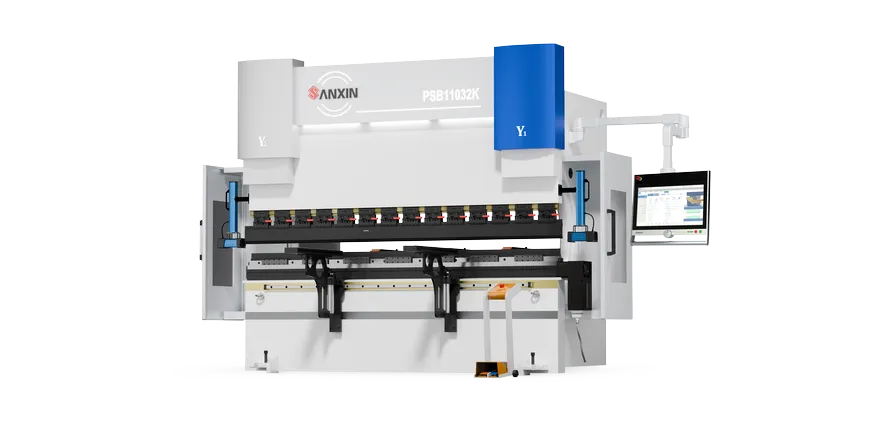
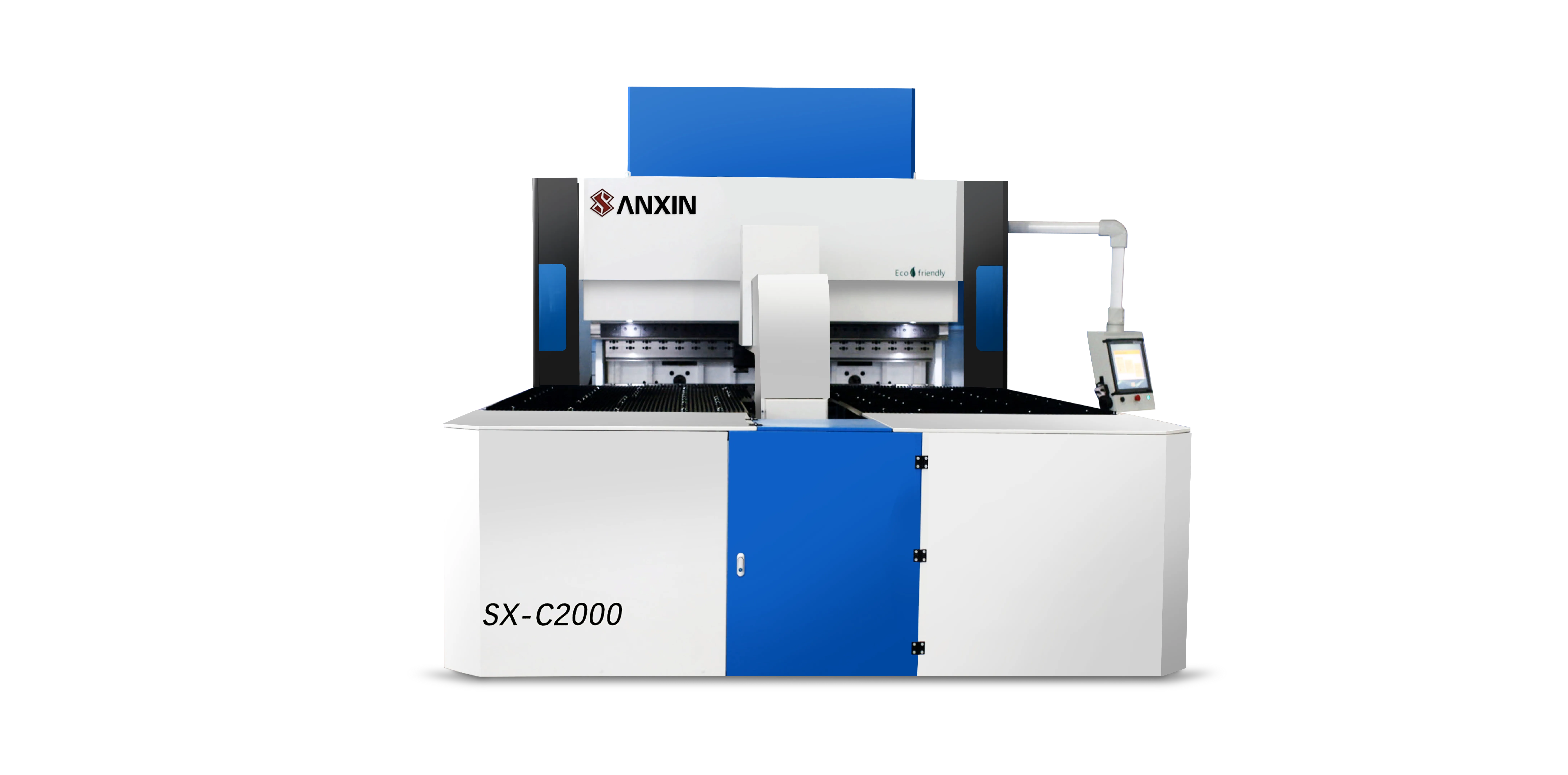
| Press Brake | A machine that bends sheet metal or plate by pressing the workpiece between an upper punch and a lower die. |
| CNC Press Brake | A press brake controlled by computer numerical control for programmable, precise, and repeatable bending operations. |
| NC Press Brake | A press brake using a simpler numerical controller for basic positioning and repeatable bend programs. |
| Hydraulic Press Brake | A press brake powered by hydraulic cylinders that move the ram and generate bending force. |
| Servo Press Brake / Electric Press Brake | A press brake driven mainly by servo motors and electric transmission systems instead of a conventional hydraulic ram drive. |
| Tandem Press Brake | Two or more synchronized press brakes used together to bend exceptionally long workpieces. |
| Panel Bender / Bending Center | An automated bending machine that positions and folds sheet edges through multiple programmed bends with minimal manual handling. |
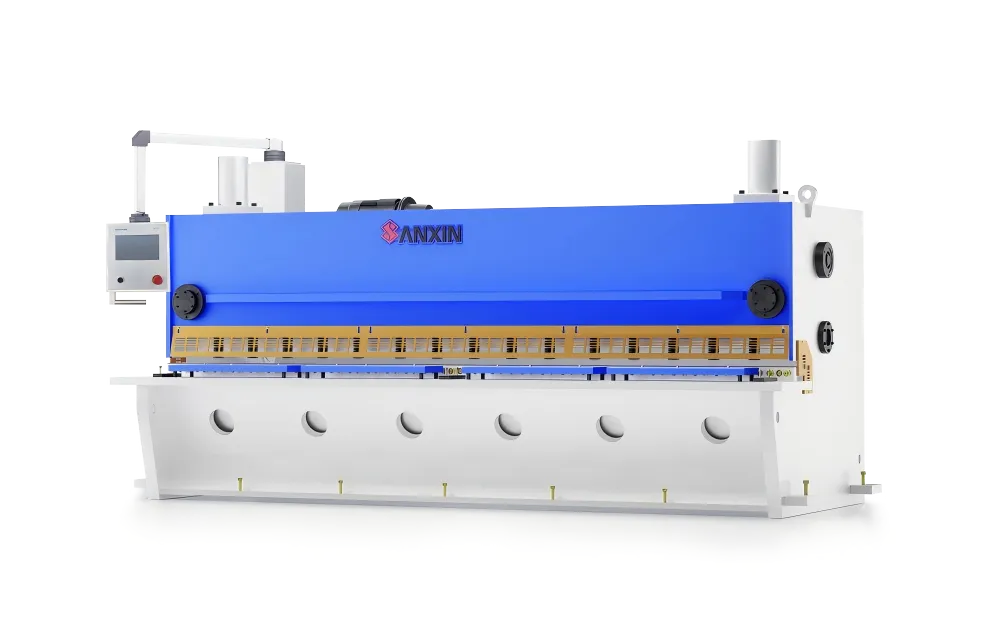
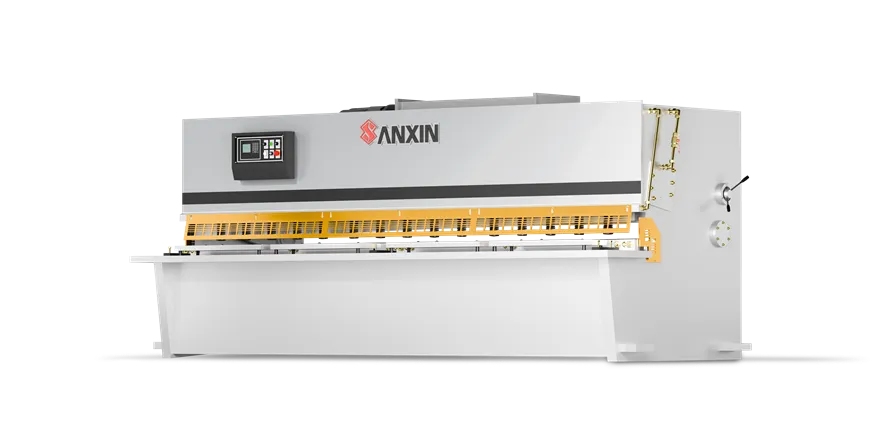
| Shearing Machine / Plate Shear | A machine that cuts sheet or plate by passing it between two blades. |
| Hydraulic Guillotine Shear | A hydraulic shear whose upper blade moves in a guillotine-style path to produce straight cuts in sheet or plate. |
| Hydraulic Swing Beam Shear | A hydraulic shear whose upper beam pivots in an arc around a fixed point during cutting. |
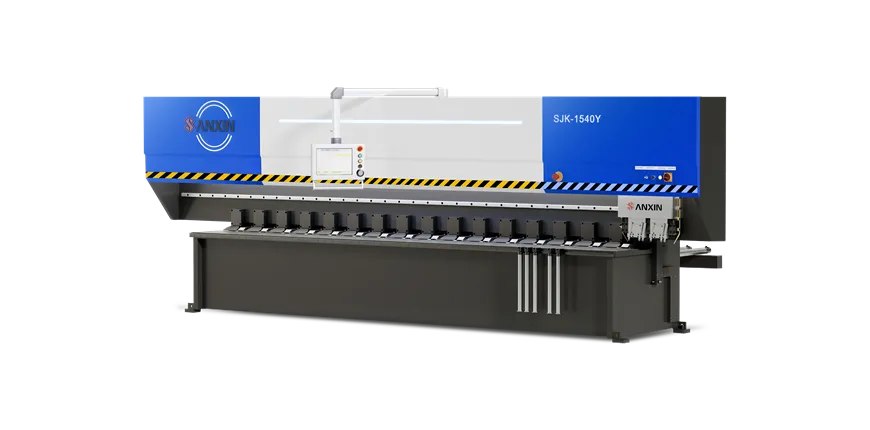
| V Grooving Machine | A machine that cuts narrow V-shaped grooves in sheet metal to enable sharp, small-radius bends. |
| Vertical V Grooving Machine | A V-grooving machine with a vertical working configuration designed for rigid clamping and precise groove machining. |
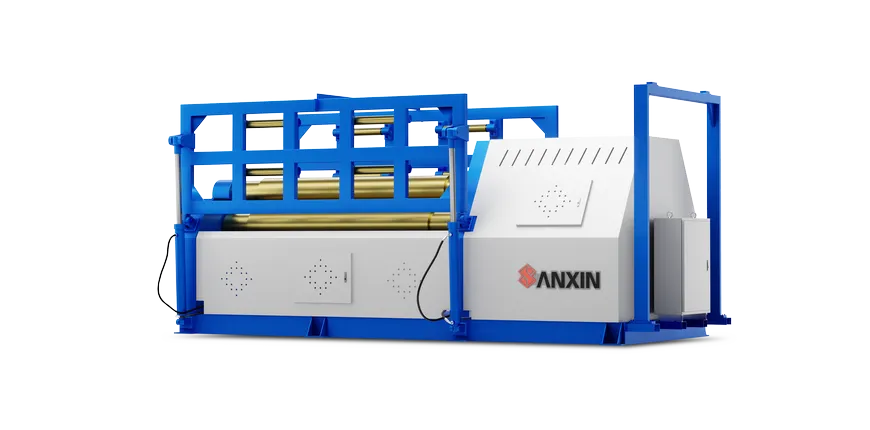
| Rolling Machine / Plate Rolling Machine | A machine that forms flat plate into cylindrical, curved, or conical shapes by passing it through rotating rolls. |
| 3-Roll Plate Rolling Machine | A plate rolling machine that uses three rolls to bend plate into cylindrical or curved forms. |
| 4-Roll Plate Rolling Machine | A plate rolling machine that uses four rolls for secure plate clamping, accurate pre-bending, and efficient rolling. |
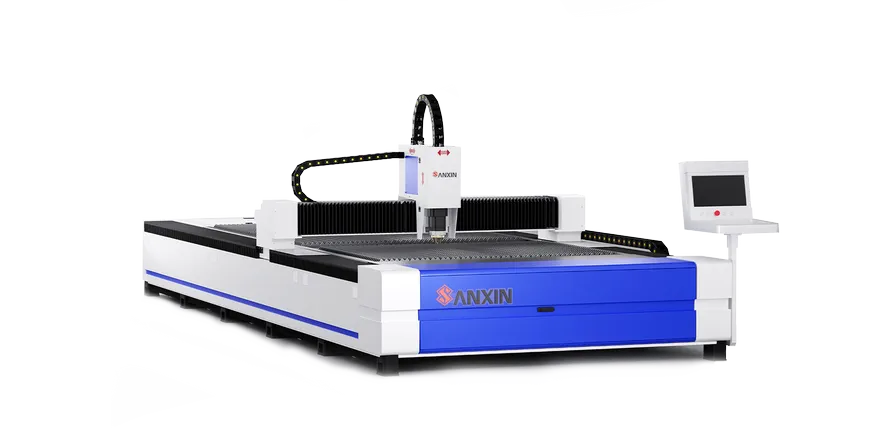
| Fiber Laser Cutting Machine | A cutting machine that uses a fiber-delivered laser beam to cut metal sheet or plate with high speed and precision. |
| Tube / Pipe Laser Cutting Machine | A laser cutting machine designed to cut holes, slots, contours, and profiles in round, square, or shaped tubing. |
| Tube Bending Machine | A machine that forms tubes or pipes to a specified angle and radius without cutting them. |
| CNC Tube Bending Machine | A computer-controlled tube bending machine that automatically manages feed length, rotation, and bend angle. |
| 2. Bending Process and Machine Structure Terms | |
| Bending | The process of plastically deforming a workpiece to create an angle, curve, or formed profile. |
| Air Bending | A press brake method in which the punch does not fully contact the bottom of the die and the bend angle is controlled by penetration depth. |
| Bottom Bending / Bottoming | A bending method in which the sheet is pressed firmly into the die to obtain a more consistent angle with reduced springback. |
| Coining | A high-pressure bending method that compresses the material into the die cavity to produce a precise angle and very small springback. |
| Bending Angle | The included angle formed between two sections of material after bending. |
| Inside Bend Radius | The radius measured on the inner surface of a bent part. |
| Outside Bend Radius | The radius measured on the outer surface of a bent part. |
| Bending Line | The straight reference line along which a sheet or plate is intended to bend. |
| Bend Allowance | The length of the neutral axis within a bend that is added when calculating the flat pattern. |
| Bend Deduction | The amount subtracted from the sum of flange lengths to determine the correct flat blank length. |
| K-factor | A ratio used to locate the neutral axis through the material thickness during bend calculations. |
| Springback | The elastic recovery of material after the bending force is removed, causing the final angle to open or change. |
| Bending Force / Tonnage | The force required to make a bend, commonly expressed in metric tons, kilonewtons, or tons-force. |
| Crowning | A compensation method that offsets ram and bed deflection to keep the bend angle uniform across the full length. |
| Mechanical Crowning | A crowning method that uses wedges or mechanical adjustment elements to compensate for machine deflection. |
| Hydraulic Crowning | A crowning method that uses hydraulic pressure or cylinders to compensate for ram and bed deformation. |
| Deflection | The elastic bending or displacement of the machine frame, ram, bed, tooling, or workpiece under load. |
| Punch | The upper press brake tool that pushes the workpiece into the lower die. |
| Die / V-die | The lower press brake tool, often with a V-shaped opening, that supports and forms the workpiece. |
| Punch Radius | The radius at the nose of the punch that influences the inside bend radius and surface condition. |
| V-opening / V-die Width | The width of the V-shaped opening in the lower die, which affects bend radius, force, and accuracy. |
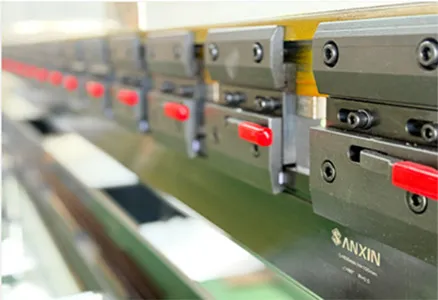
| Tooling | The collective term for punches, dies, holders, adapters, and other forming tools used on a machine. |
| Tool Clamping | The system used to secure press brake punches and dies in the correct position. |
| Segmented Tooling | Press brake tooling divided into shorter sections so different bend lengths and box shapes can be produced. |
| Back Gauge | A movable positioning system behind the tooling that locates the workpiece before each bend. |
| Axis (X, R, Z1, Z2, Y1, Y2 etc.) | The controlled machine directions used to move the ram, back gauge, fingers, and other positioning components. |
| Stroke | The total travel distance of a moving machine component, such as a press brake ram. |
| Throat Depth | The horizontal distance from the machine frame to the bending line, which limits the depth of parts that can be formed. |
| Daylight | The maximum open distance between the upper and lower tooling when the ram is fully raised. |
| Working Table / Bed | The rigid lower machine structure that supports the die and workpiece during bending. |
| 3. Shearing and Cutting Terms | |
| Shearing | The process of separating sheet or plate with opposing blades that create a controlled fracture. |
| Cutting Length | The maximum width or length of material that a shearing or cutting machine can process in one operation. |
| Cutting Thickness | The material thickness that a machine can cut under specified material and operating conditions. |
| Blade Clearance | The controlled gap between upper and lower shear blades, adjusted according to material type and thickness. |
| Shear Angle | The angle formed by the shear blade relative to the workpiece, used to reduce peak cutting force. |
| Hold-down / Clamping | A device that presses the workpiece firmly against the table before and during a cutting operation. |
| Back Gauge | A rear positioning system on a shear that sets the distance from the blade to the cut line. |
| Stroke per Minute | The number of complete cutting or ram cycles a machine can perform in one minute. |
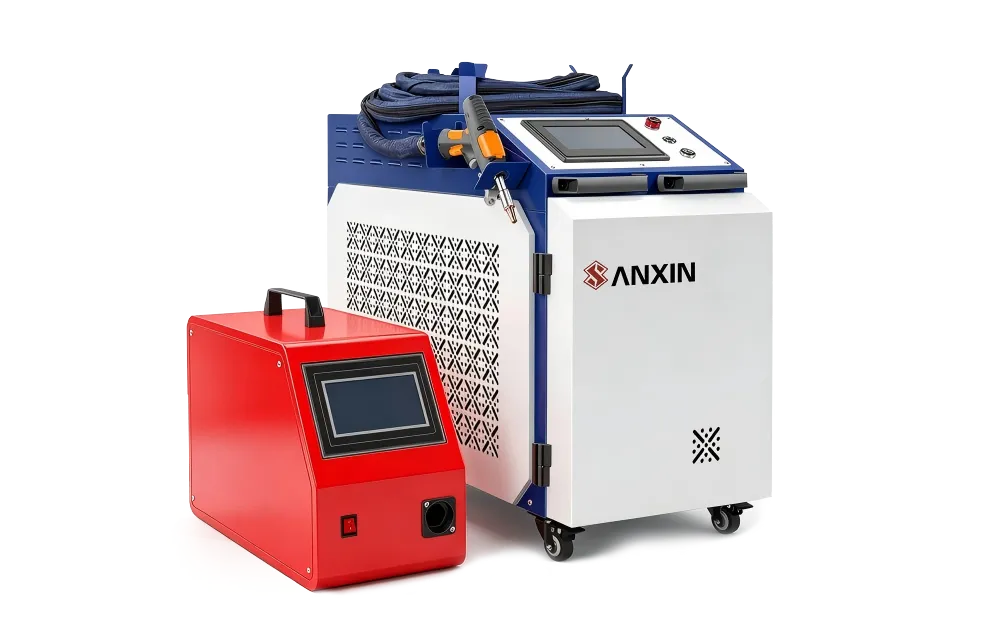
| Fiber Laser | A solid-state laser technology in which the beam is generated and delivered through optical fiber. |
| Laser Power | The rated output power of a laser source, usually expressed in watts or kilowatts. |
| Cutting Speed | The linear rate at which the cutting head or workpiece moves during a cutting operation. |
| Cutting Kerf | The width of material removed by the cutting process. |
| Piercing | The initial operation that creates an entry hole so the laser can begin cutting a closed contour. |
| Assist Gas | A gas directed through the cutting nozzle to remove molten material, cool the cut, and influence edge quality. |
| Nozzle | A replaceable tip that directs assist gas and helps control the laser beam position at the cutting point. |
| Cutting Head | The assembly containing focusing optics, sensors, protective windows, and the nozzle that delivers the laser to the workpiece. |
| Processing Area / Working Area | The maximum sheet dimensions or machine envelope available for cutting or processing. |
| Nesting | The arrangement of part shapes on a sheet to maximize material utilization and reduce scrap. |
| Rake Angle | The inclination of the upper shear blade along the cutting length, which reduces the instantaneous cutting load. |
| Ram Stroke | The vertical travel distance of the press brake ram during one cycle. |
| Positioning Accuracy | The closeness of a commanded machine position to the actual measured position. |
| Repeatability | The ability of a machine to return to the same position consistently over repeated cycles. |
| Plate Rolling | The process of forming flat plate into cylinders, cones, arcs, or other curved shapes using rolls. |
| 4. Plate Rolling and Tube Bending Terms | |
| Pre-bending | The forming of plate edges before the main rolling operation to minimize unbent flat sections. |
| Cone Bending | The rolling process used to produce conical or tapered cylindrical parts. |
| Top Roll / Upper Roll | The upper roll that applies or controls bending pressure in a plate rolling machine. |
| Bottom Roll / Lower Roll | The lower roll that supports and feeds the plate during rolling. |
| Side Roll | An adjustable lateral roll used to guide, support, and bend the plate. |
| Roll Diameter | The outside diameter of a forming roll, which influences capacity and the minimum achievable curve. |
| Bending Length | The maximum plate width that can be rolled or the effective working length of the machine rolls. |
| Minimum Bending Diameter | The smallest finished cylinder diameter the machine can produce under specified material and thickness conditions. |
| Tube Bending | The process of forming a tube or pipe to a specified angle and centerline radius. |
| Mandrel | An internal support inserted into a tube during bending to reduce collapse, flattening, and wrinkling. |
| Wiper Die | A tool positioned near the bend tangent to prevent wrinkles from forming on the inside of a tube bend. |
| Clamp Die | A die that grips the tube and holds it against the bend die during rotary draw bending. |
| Bend Radius | The specified radius of a bend, commonly measured from the bend center to the tube centerline. |
| Ovality | The degree to which a bent tube cross-section becomes out of round. |
| 5. Control Systems and Automation Terms | |
| CNC System | The integrated computer control platform that manages machine axes, programs, parameters, diagnostics, and automation functions. |
| NC Controller | A numerical control device used for simpler machine programming, position setting, and sequence control. |
| Delem / Cybelec / ESA | Common brands of press brake control systems used for programming, axis control, and machine operation. |
| Touch Screen HMI | A touch-sensitive human-machine interface used to enter programs, monitor status, and operate equipment. |
| Programming | The process of entering dimensions, angles, sequences, speeds, and machine settings for an automated operation. |
| 2D / 3D Programming | Graphical programming that uses two-dimensional or three-dimensional part models to create and verify machining or bending programs. |
| Offline Programming | The creation and simulation of machine programs on a separate computer without occupying production equipment. |
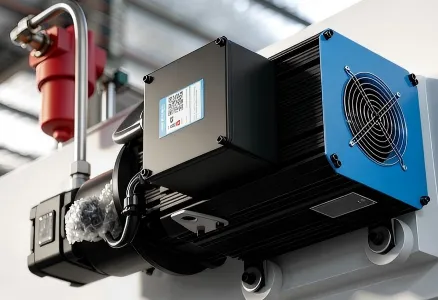
| Servo Motor | A motor with closed-loop feedback that provides precise control of position, speed, and torque. |
| Hydraulic System | The pumps, reservoirs, valves, cylinders, filters, and piping that generate and control hydraulic power. |
| Proportional Valve | An electrically controlled valve that varies hydraulic flow or pressure in proportion to an input signal. |
| Encoder | A feedback device that measures rotary position, speed, or movement for closed-loop machine control. |
| Linear Scale | A precision linear measuring device that reports the actual position of a moving axis. |
| Bending Sequence | The planned order in which multiple bends are made to produce a part without interference or distortion. |
| Collision Check | A software or control function that detects potential contact between the part, tooling, machine, or back gauge before production. |
| Tool Library | A stored database of punches, dies, dimensions, load limits, and tool setup information used by the controller. |
| Material Library | A stored database of material properties, thicknesses, bend factors, and correction values used in programming. |
| Automatic Bending Cell | An automated production unit combining a press brake with robotic handling, tooling, safety systems, and part flow equipment. |
| Robot Integration | The mechanical, electrical, and software connection of an industrial robot with a machine or production line. |
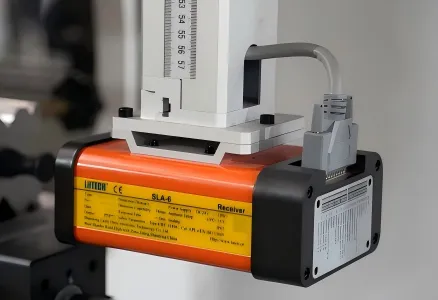
| Safety Light Curtain | An optoelectronic safety device that stops or prevents hazardous machine movement when its light beams are interrupted. |
| Safety Guard / Fence | A physical barrier used to prevent unauthorized access to hazardous moving parts or automated work areas. |
| CE Safety Standard | Safety requirements and conformity practices applied to machinery placed on the European market. |
| Backgauge | A rear positioning assembly that sets the workpiece depth before bending or shearing. |
| Crowning System (Hydraulic/Mechanical) | A hydraulic or mechanical system that compensates for machine deflection to maintain a consistent bend along the workpiece. |
| Laser Source | The component that generates the laser beam supplied to a laser cutting system. |
| Punch and Die | The matched upper and lower press brake tools that apply force and define the bend shape. |
| Clamping System | A mechanism that securely holds tooling or the workpiece to prevent movement during processing. |
| CNC Controller | The controller hardware and software used to program, coordinate, and monitor CNC machine operations. |
| Sheet Metal | Flat metal stock with relatively small thickness compared with its length and width. |
| Plate | Flat metal stock that is generally thicker and more rigid than sheet metal. |
| Mild Steel | Low-carbon steel valued for good formability, weldability, availability, and relatively low cost. |
| 6. Materials and Sheet Metal Terms | |
| Stainless Steel | Steel alloyed with chromium and other elements to provide corrosion resistance and durable surface properties. |
| Aluminum Alloy | Aluminum combined with other elements to improve strength, formability, corrosion resistance, or machinability. |
| Galvanized Steel | Steel sheet or plate coated with zinc to improve corrosion resistance. |
| Material Thickness | The measured distance between the two main surfaces of a sheet, plate, tube wall, or other material. |
| Yield Strength | The stress at which a material begins to deform permanently. |
| Tensile Strength | The maximum tensile stress a material can withstand before necking or fracture. |
| Grain Direction | The orientation of the material's rolling structure, which can affect bend cracking, strength, and springback. |
| Elongation | The percentage increase in length a material can sustain before breaking, used as an indicator of ductility. |
| Sheet Metal Fabrication | The manufacture of metal parts by cutting, bending, forming, joining, and finishing sheet material. |
| Metalworking | The broad industrial practice of shaping, cutting, forming, machining, and joining metals. |
| Fabrication Shop | A production facility equipped to cut, form, weld, and assemble metal components. |
| 7. Application and Industry Terms | |
| Job Shop | A manufacturing business that produces custom, low-volume, or varied parts for different customers. |
| Batch Production | The production of a defined quantity of similar parts in repeated lots. |
| Prototyping | The creation of trial parts or early samples to evaluate design, fit, function, and manufacturability. |
| Decoration / Architectural Metalwork | The fabrication of metal elements used for decorative finishes, building features, façades, railings, and architectural structures. |
| HVAC Ducting | Sheet metal ducts and fittings used to distribute heating, ventilation, and air-conditioning airflow. |
| Automotive Parts | Components manufactured for vehicles, including structural, body, chassis, exhaust, enclosure, and support parts. |
| Shipbuilding | The construction and assembly of ships and marine structures using formed plate, profiles, and fabricated components. |
| Machinery Manufacturing | The production of industrial machines, frames, enclosures, components, and mechanical systems. |
| Aerospace Components | Precision parts and structures manufactured for aircraft, spacecraft, propulsion, and related high-performance applications. |
| 8. Pre-Sales, After-Sales, and Quality-Related Terms (Supporting ESG and Trust) | |
| Commissioning | The installation, calibration, testing, and acceptance process that prepares new equipment for normal production. |
| Training | Instruction provided to operators and maintenance personnel on safe use, programming, setup, and service procedures. |
| After-Sales Service | Technical support, maintenance, repair, spare-parts supply, and other assistance provided after equipment delivery. |
| Warranty | A supplier's defined commitment to repair or replace covered defects within a specified period and under stated conditions. |
| Spare Parts | Replacement components kept available to restore or maintain equipment operation. |
| Preventive Maintenance | Planned inspection, lubrication, adjustment, and part replacement performed before failures occur. |
| Troubleshooting | The systematic process of identifying the cause of a fault and restoring normal machine operation. |
| Downtime | The period during which equipment is unavailable for production because of failure, maintenance, setup, or other interruption. |
| OEM / ODM | OEM refers to manufacturing products to another company's specification, while ODM includes product design and manufacturing services. |
| CE Certification | Confirmation that a product meets applicable European conformity requirements and may carry the CE marking when required. |
| ISO 9001 Quality Management | An internationally recognized quality management framework focused on consistent processes, customer requirements, and continual improvement. |
| ESG | Environmental, social, and governance factors used to assess responsible business practices and long-term organizational performance. |
| Energy Efficiency | The ability of a machine or process to deliver the required output while using less energy. |
| Environmental Compliance | Adherence to applicable environmental laws, permits, standards, and operational requirements. |

We look forward to working with you!
If you have any product inquiries or need tailored sheet metal machinery solutions, please feel free to contact us. Our team is ready to provide professional recommendations and competitive quotations.